
Living Room Blinds: Keeping the View and Losing the Glare
A living room blind has to do two opposite jobs at different times of day: keep the view and the light while the sun is up, then give privacy once the lights come on inside. That conflict is what day-night blinds exist to solve, and it is why a single blockout blind is usually the wrong answer in the room people spend the most time in.
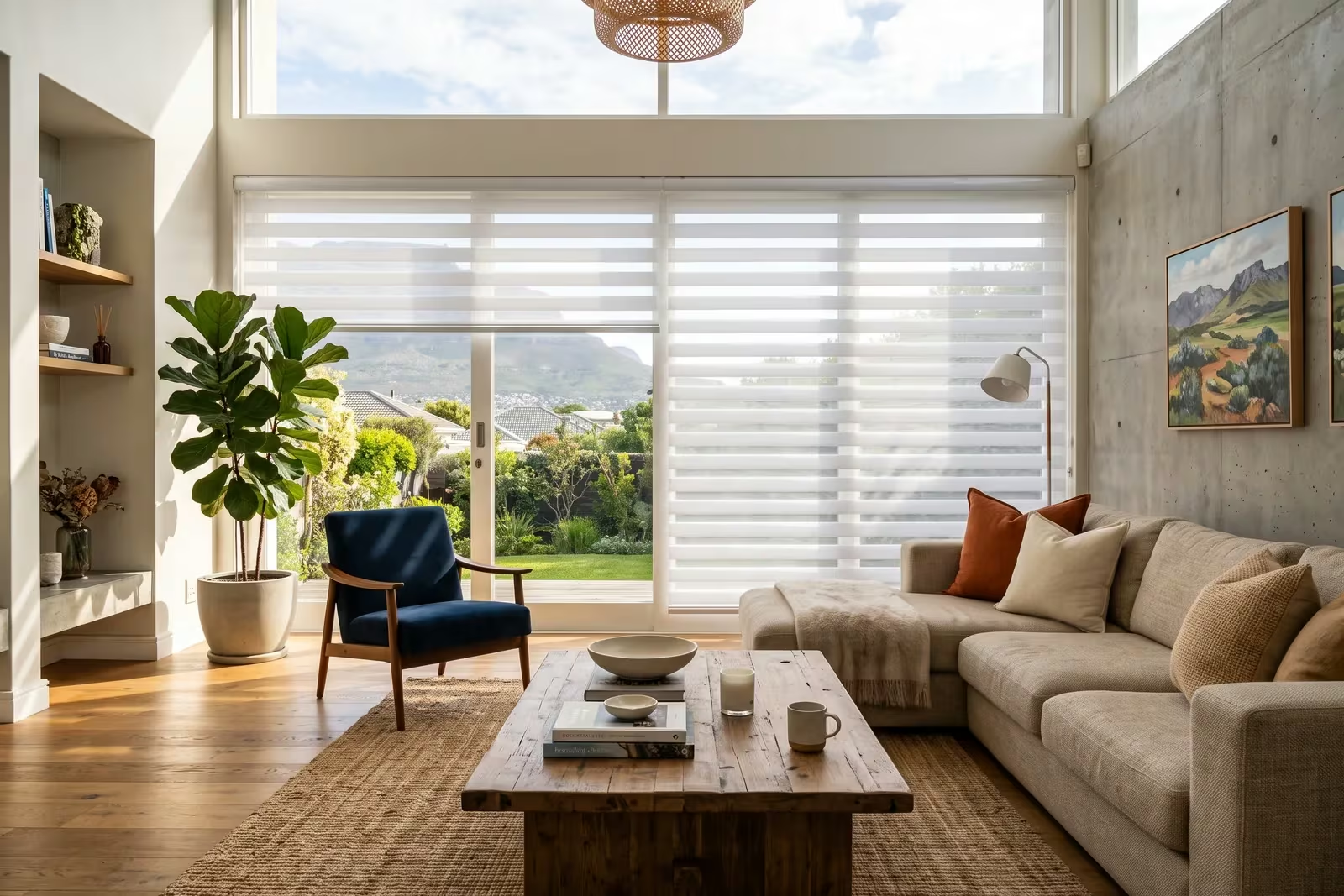
The screen-glare problem has a specific answer
Glare on a television or laptop is caused by a bright source behind or beside the viewer, not by overall room brightness, so darkening the whole room to fix it is the wrong trade. A sunscreen fabric with a low openness figure, around 3 to 5 percent, cuts the intensity of the light source while leaving the room bright and the view intact. That is a very different specification from a blockout blind.
Street-facing windows change at sunset
A window that gives you a view during the day gives passers-by a view of you after dark, because the bright side flips. A sunscreen blind that is perfectly private at noon is transparent at eight in the evening with the lights on. Any street-facing living room needs a second layer, which is either the solid band of a day-night blind or a separate blockout blind behind the sunscreen one.
Large and double-volume rooms are a weight and reach problem
Living rooms have the widest windows in the house and often the highest, and both facts push toward motorisation rather than a longer chain. A blind you need a step ladder to reach is a blind that stays where it is. Wide spans are also better handled as two linked blinds than one very wide one, because a long tube deflects in the middle and the fabric then tracks unevenly.
| How the room is used | Recommended | Why |
|---|---|---|
| Daytime work and screens | Sunscreen roller, 3–5% openness | Kills glare, keeps the room bright |
| Street-facing, evening use | Day-night blind | Sheer by day, solid once lights are on |
| Formal or evening-only room | Blockout-lined Roman | Softer look, full privacy |
| Very wide window | Two linked blinds | A single long tube deflects and tracks unevenly |
| High or double-volume | Motorised | A blind you cannot reach never gets used |
Blinds Mentioned in This Guide
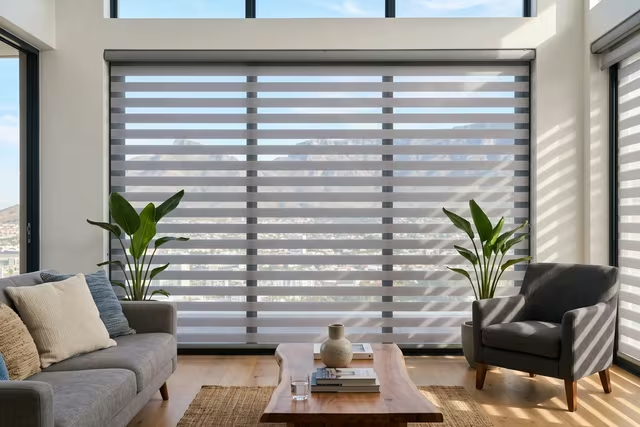
Day-Night Blinds
Day-night blinds are dual-layer roller blinds with alternating sheer and solid fabric bands that align to either filter or…
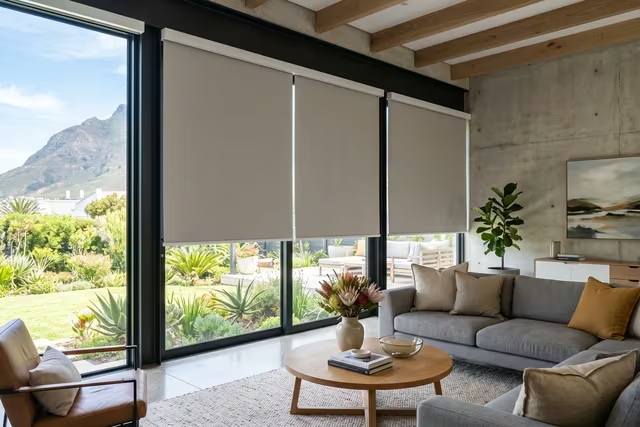
Roller Blinds
Roller blinds are a single panel of fabric that winds onto a tube above the window, giving clean, slat-free light control from…
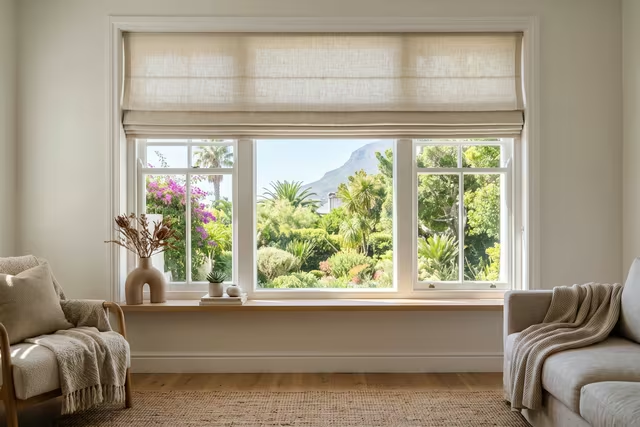
Roman Blinds
Roman blinds are fabric blinds that draw up into smooth horizontal folds and stack tidily at the top of the window.
Get a free measure & quote
No charge, no obligation — anywhere in greater Cape Town.
Living Room Blinds — FAQs
What blinds are best for a living room?
Day-night blinds suit most living rooms because one blind covers both the daytime need to keep the view and the evening need for privacy. Where the room is used mainly in the evening, a blockout-lined Roman blind gives a softer look with the same privacy.
How do you stop glare on a TV without darkening the room?
Fit a sunscreen roller blind with a low openness figure, around 3 to 5 percent. It cuts the intensity of the bright window behind the viewer while leaving the room bright and the view visible, which a blockout blind cannot do.
Can people see in through blinds at night?
Through a sunscreen fabric, yes. Sunscreen works by being darker than the bright side, so once the lights are on inside and it is dark outside, the effect reverses. A street-facing living room needs a solid layer as well, which is what the solid bands of a day-night blind provide.
What blinds work on very large living room windows?
Two linked blinds on a shared bracket usually work better than one very wide blind, because a long tube deflects in the middle and the fabric tracks unevenly. On high or wide windows, motorisation is worth specifying at the same time.