
Kitchen Blinds: What Actually Survives Steam, Grease and Heat
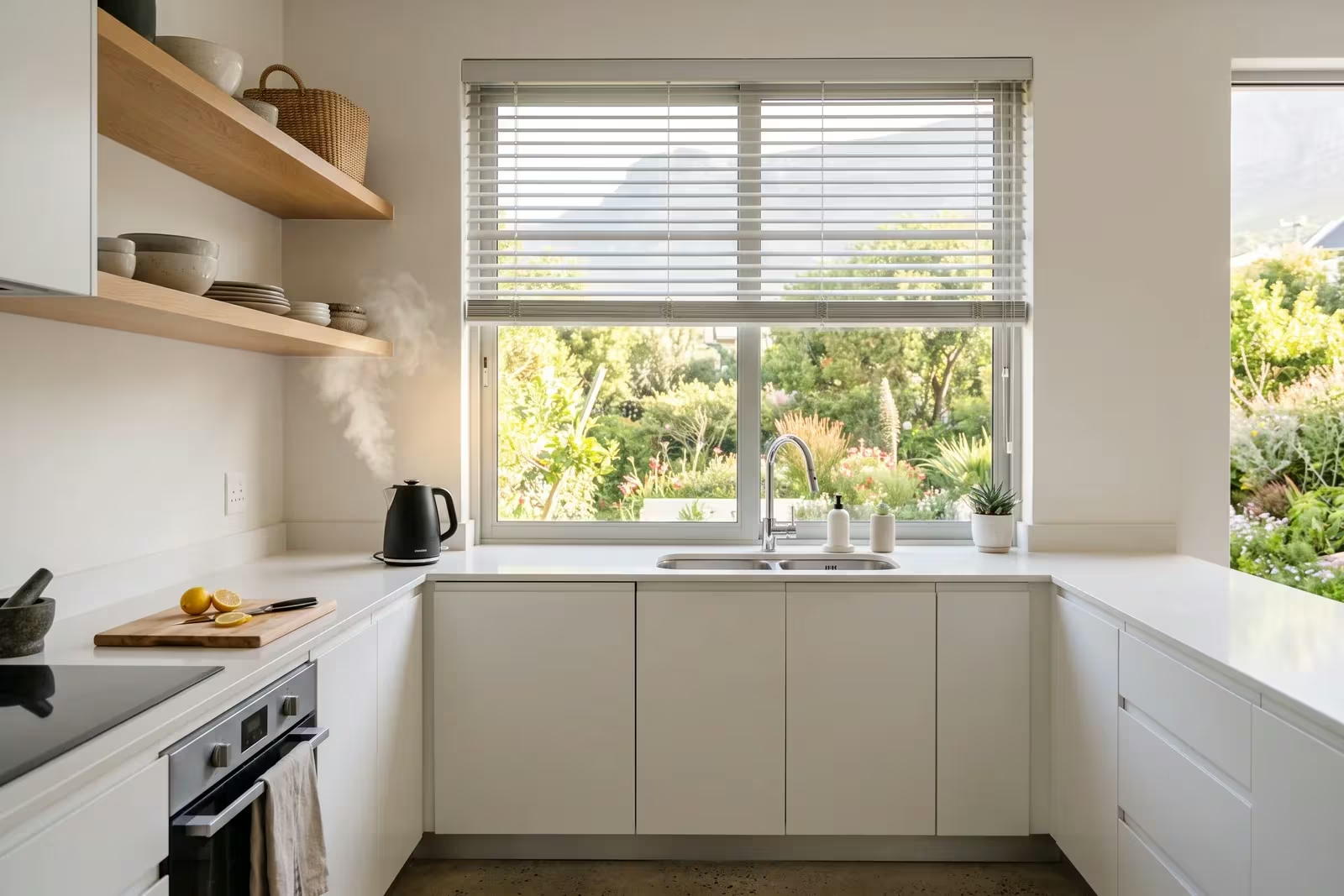
Kitchen blinds need to survive steam, airborne grease and daily wiping, which rules out most fabrics and every natural timber slat. Aluminium and faux-wood are the two materials that hold up, because both can be wiped down with a damp cloth without swelling, staining or warping. The window above a sink or hob is the harshest position in the house and should be specified first.
Why fabric and real timber fail in a kitchen
Steam carries grease, and grease bonds to woven fabric in a way that washing does not reverse. A roller blind above a hob usually shows a yellow bloom within two summers. Real basswood is worse: timber absorbs moisture from steam, swells across the grain and then dries unevenly, so the slats bow and stop sitting flat when closed. Neither problem is a manufacturing fault, and neither is covered by a workmanship guarantee, because both are the wrong material for the position.
The window above the sink is a separate decision
A blind directly above a sink gets splashed as well as steamed, and it is the one window in the kitchen you reach across rather than stand in front of. Fit it with an aluminium Venetian on a wand rather than a cord, so there is nothing hanging into the basin, and specify an inside mount so the blind sits back out of the splash zone. Where the sill is used for pots or a soap dish, an outside mount that clears the sill entirely is the better call.
Light control matters less here than cleaning
Kitchens are working rooms, so total darkness is almost never the requirement. What matters is glare on a worktop in the late afternoon and privacy after dark when the lights are on inside. A light-filtering or micro-perforated slat handles both without making the room dim during the day, and it keeps the blind usable rather than something you leave permanently raised.
| Material | Above hob / sink | Elsewhere in kitchen | Why |
|---|---|---|---|
| Aluminium | Yes | Yes | Wipes clean, unaffected by steam or grease |
| Faux-wood (PVC/composite) | Yes | Yes | Timber look without the swelling |
| Real basswood | No | Marginal | Absorbs steam, slats bow within a season or two |
| Fabric roller | No | Marginal | Holds airborne grease, yellows over time |
| Bamboo / woven | No | No | Traps grease in the weave, cannot be washed |
Blinds Mentioned in This Guide
Aluminium Blinds
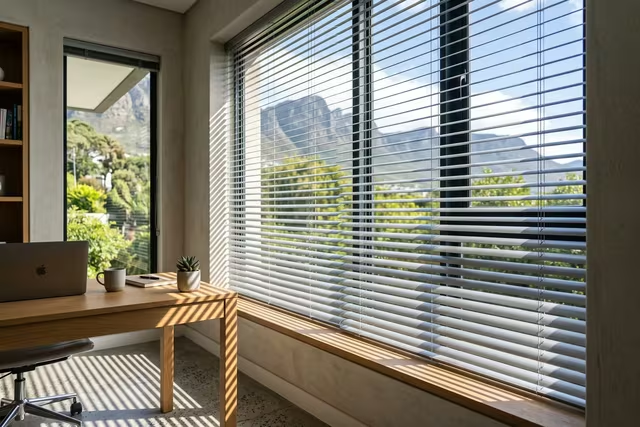
Aluminium blinds are slim 25mm metal Venetian slats with a tidy tilt-and-lift action and a powder-coated finish that shrugs…

Venetian Blinds
Venetian blinds are horizontal slats on cords that tilt to control light and privacy, and lift to stack clear of the window.

Roller Blinds
Roller blinds are a single panel of fabric that winds onto a tube above the window, giving clean, slat-free light control from…
Get a free measure & quote
No charge, no obligation — anywhere in greater Cape Town.
Kitchen Blinds — FAQs
What blinds are best for a kitchen?
Aluminium Venetian blinds and moisture-resistant faux-wood are the two that last, because both wipe clean and neither absorbs steam. Real timber slats warp above a hob or sink and woven fabric holds grease, so both are poor choices for a working kitchen however good they look on day one.
Can you put blinds above a sink?
Yes, and it is the most common kitchen blind position. Specify a wand-operated aluminium Venetian rather than a corded one so nothing hangs into the basin, and fit it inside the recess so the blind sits back from the splash zone.
How do you clean greasy kitchen blinds?
Aluminium and faux-wood slats clean with warm water and a drop of dishwashing liquid on a soft cloth, working along each slat rather than across it. Grease that has baked on needs a second pass rather than a stronger chemical, which can strip the powder coating.
Are wooden blinds a bad idea in a kitchen?
Real wooden blinds are a poor choice in a kitchen. Timber takes up moisture from steam, swells and then dries unevenly, so slats bow within a season or two. Faux-wood gives the same look in a PVC or composite slat that does not move.