Bathroom Blinds: Moisture, Privacy and What Not to Fit
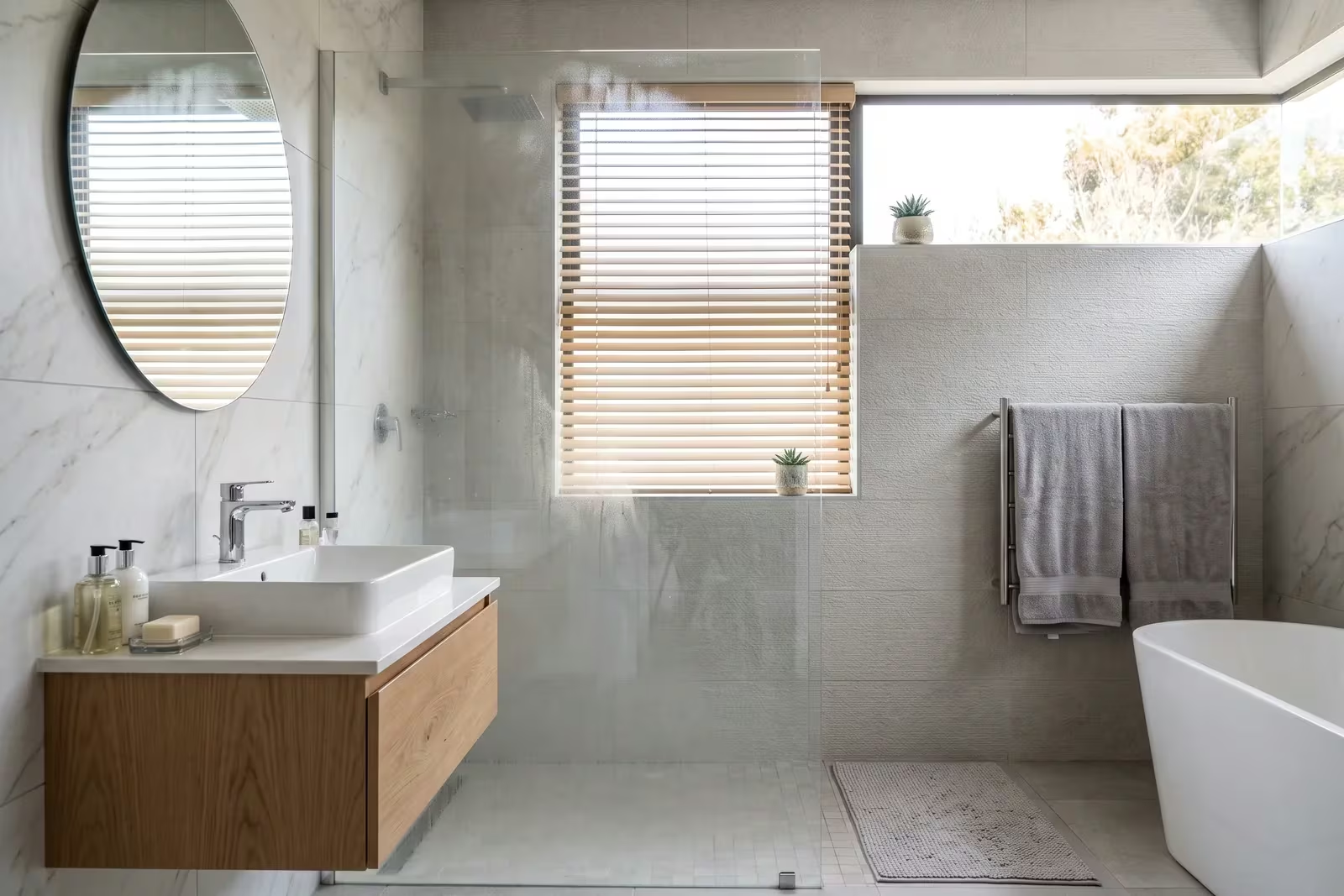
A bathroom blind has to handle standing humidity rather than the occasional splash, which is why PVC, faux-wood and powder-coated aluminium are the only materials worth fitting. The second requirement is privacy that does not cost you all the daylight, because most bathroom windows are small and are the room's only light source.
Humidity is constant, not occasional
A bathroom does not dry out between showers in winter, so the material sits in damp air for months rather than getting wet and drying. Real timber swells and the finish lifts. Woven fabric holds moisture and eventually spots with mould along the bottom rail, which is the coldest part of the blind and where condensation collects. PVC, composite faux-wood and powder-coated aluminium are unaffected by any of it.
Privacy without turning the room into a cupboard
Most bathroom windows are small and high and provide all of the room's natural light, so a solid blockout blind makes the room permanently dependent on the ceiling light. A tilted Venetian slat gives complete privacy while still throwing light up at the ceiling, and a light-filtering roller keeps the room bright while making shapes unreadable from outside.
Fit it clear of the splash zone
A blind over a bath or beside a shower screen gets direct water, not just steam, and no blind is improved by that. Where the window sits inside the wet area, mount it outside the recess and high enough to clear the screen, or specify PVC vanes and accept that it will need wiping down more often than a blind elsewhere in the house.
| Material | Handles humidity | Mould risk | Privacy method |
|---|---|---|---|
| Powder-coated aluminium | Yes | None | Tilt the slats |
| Faux-wood | Yes | None | Tilt the slats |
| PVC vertical vanes | Yes | None | Rotate the vanes |
| Light-filtering roller | Marginal | Low | Obscures shapes, keeps light |
| Real timber | No | Low but warps | — |
| Woven fabric / bamboo | No | High along the bottom rail | — |
Blinds Mentioned in This Guide
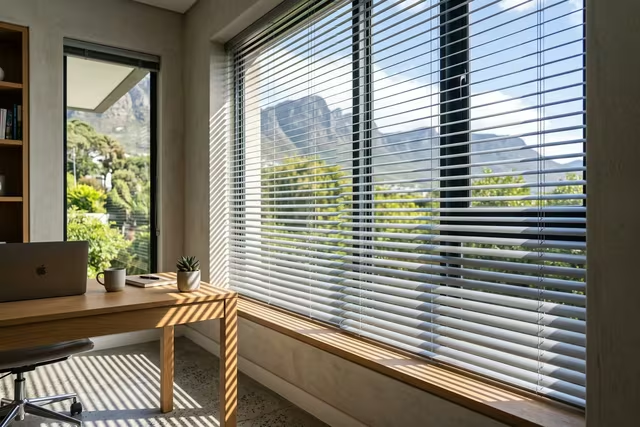
Aluminium Blinds
Aluminium blinds are slim 25mm metal Venetian slats with a tidy tilt-and-lift action and a powder-coated finish that shrugs…
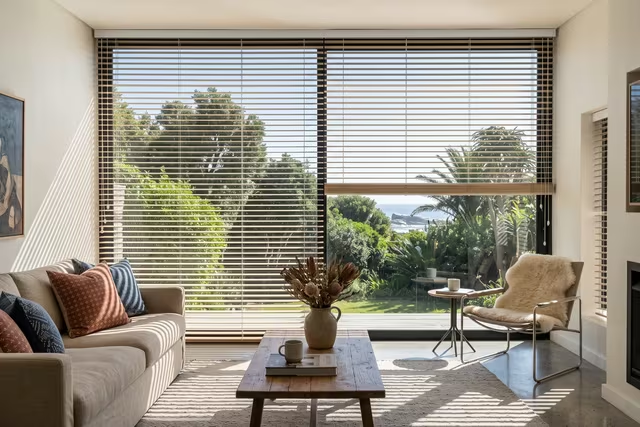
Venetian Blinds
Venetian blinds are horizontal slats on cords that tilt to control light and privacy, and lift to stack clear of the window.
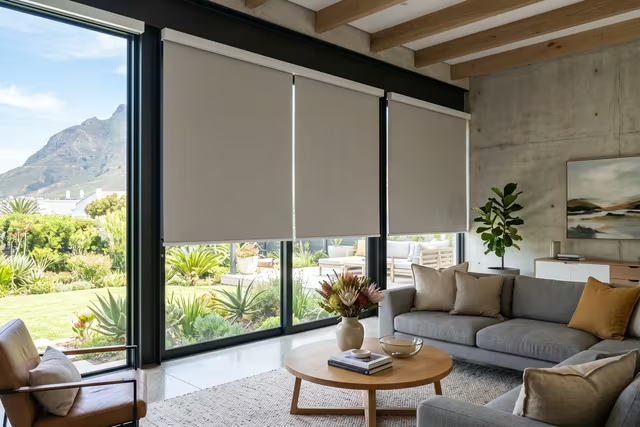
Roller Blinds
Roller blinds are a single panel of fabric that winds onto a tube above the window, giving clean, slat-free light control from…
Get a free measure & quote
No charge, no obligation — anywhere in greater Cape Town.
Bathroom Blinds — FAQs
What blinds are best for a bathroom?
Powder-coated aluminium Venetians and faux-wood are the two that last, with PVC vertical vanes as an option on a larger window. All three are unaffected by standing humidity, wipe clean and will not grow mould along the bottom rail the way fabric does.
Do blinds get mouldy in bathrooms?
Fabric blinds can, usually along the bottom rail where condensation collects and the blind stays coldest. Aluminium, PVC and faux-wood do not, because there is no absorbent surface for it to take hold on.
Can you put wooden blinds in a bathroom?
Real wooden blinds are a poor choice. Standing humidity swells the slats and lifts the finish within a season or two. Faux-wood gives the same appearance in a composite slat that is unaffected by damp.
How do you get privacy in a bathroom without losing light?
Tilt rather than block. A Venetian slat angled upward gives complete privacy from outside while still bouncing daylight onto the ceiling, which keeps a small bathroom usable without the light on. A light-filtering roller does the same by making shapes unreadable rather than blocking them.