
How to Choose Blinds for Each Room: Choosing by Light, Privacy and Steam
The right choice depends on the room. Bedrooms need darkness and privacy, bathrooms and kitchens need materials that wipe down, and living rooms need light control without losing the view. This blinds buying guide works through each room and the key features to look for.

Bedrooms: choosing for sleep and privacy
Bedrooms need darkness and privacy, so a blockout roller or a lined Roman is the usual first choice. In a nursery, side channels cover the light gaps at the edges. A day-night design switches between filtered light and privacy; choose blockout fabric where darkness is the priority.
Roman shades with a blockout lining give a bedroom the soft folds of fabric. Thermal performance differs from one blockout fabric to the next, so ask for samples of several for bedroom windows that take the afternoon sun. Where energy efficiency is the reason for a backing, ask to see the fabric maker's specification sheet.
Bathrooms and kitchens: window coverings that wipe down
Natural wood can swell and soft fabrics can absorb moisture, so both need care near a hob or shower. PVC is the ideal choice for windows that get wet often, since cleaning it is a wipe with a damp cloth; powder-coated aluminium Venetian slats and faux-wood are the other two to look at.
Above a sink, a wand-tilted Venetian keeps cords away from the water. The room-by-room guides further down cover each room in more detail.
On a window that only catches the odd splash, a roller in a wipe-down finish works as well.
Living rooms: light, view and the right shades
Living rooms balance light, view and looks. Sunscreen roller blinds keep the view while taking the edge off glare, day-night designs switch between view and privacy, and Roman shades add a soft finish.
Large sliding doors need vertical vanes that draw right out of the way, so allow wall space beside the door for the stacked vanes.
Pick shades that sit with your interior. Wooden Venetian slats and natural shades warm a lounge with timber floors, while white and grey shades keep it quiet. Where rooms open into each other, make sure they harmonise: one colour family across the windows, even when the material changes.
How to choose: start with what the room does
Before working out how to choose between products, list the job each room needs done. Walk round the windows and note glare on a screen, a view in from the street at night, steam off a hob or afternoon sun on a west-facing wall. Pick materials and grades that meet your practical needs, and settle on the right style after that.
Each type of blind handles light in its own way. Rollers and Roman folds cover the glass with a single panel of fabric, Venetian slats tilt for fine light control, and day-night bands slide between sheer and solid. Venetian blinds and rollers differ in how they stack: slats gather at the head of the window, a roller winds onto its tube.
Layered solutions: a blind with curtains
Blinds are one of several window treatments, and curtains can be layered with them: a blind on the glass for light control, curtains on a rail in front for the look.
Measuring for a perfect fit
Each one is made to the window's exact sizes, and Capetown Blinds measures the windows for the quote, so you do not need to measure them yourself. A perfect fit inside the recess needs enough depth for the headrail; where the recess is shallow, the headrail goes on the wall above.
Plan the window treatment for each room on its own, then check the colours together. Samples come to your home, so you can hold shades and slat finishes up in each room's own light.
Window coverings in one house can share shades from one colour family while the material changes between rooms, and aluminium Venetian blinds in a kitchen can match the timber slats in a lounge.
| Room | Best blind | Why |
|---|---|---|
| Bedroom | Blockout roller or Roman | Full darkness and privacy for sleep |
| Bathroom | Aluminium or faux-wood | Handles steam and wipes clean |
| Kitchen | Aluminium or sunscreen roller | Resists grease and steam, easy to clean |
| Living room | Day-night or Roman | Switches between view and privacy through the day |
| Home office | Sunscreen roller | Cuts screen glare without darkening the room |
| Sliding doors | Vertical blinds | Vanes draw fully aside for access |
Room-by-room window treatment guides
Products mentioned in this guide
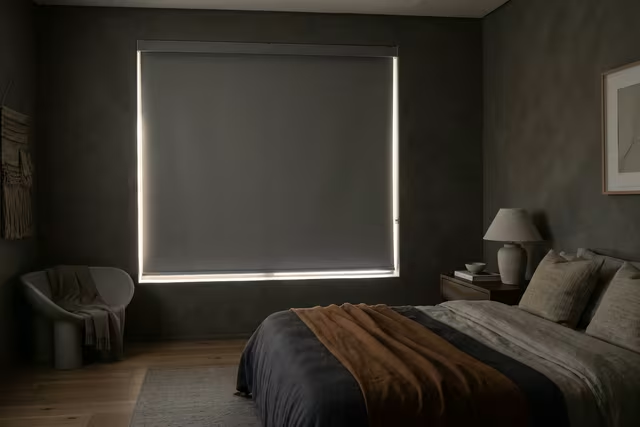
Blackout Blinds
Blackout blinds are blinds made from an opaque, coated or tightly-woven fabric that stops light passing through, for…
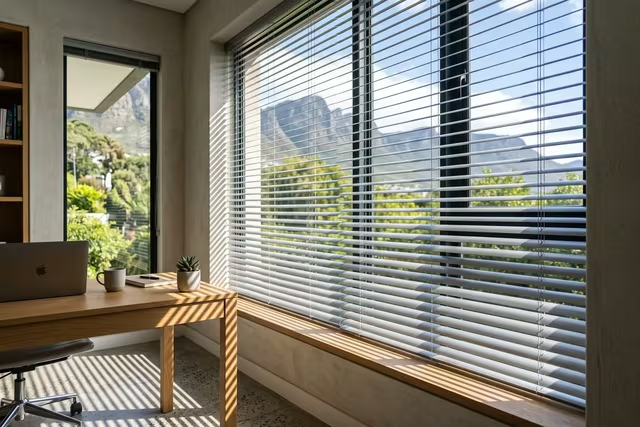
Aluminium Blinds
Aluminium blinds are slim 25mm metal Venetian slats with a tidy tilt-and-lift action and a powder-coated finish that shrugs…
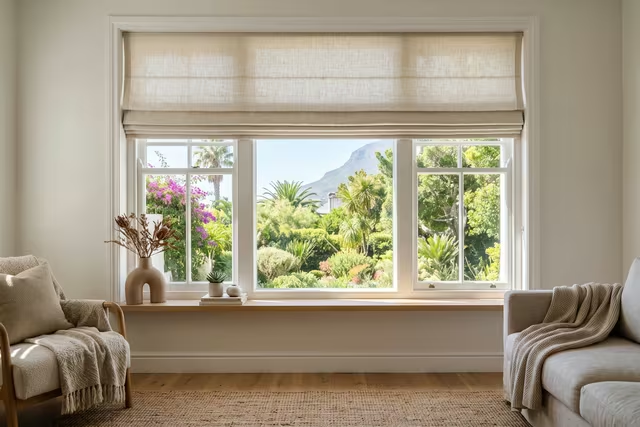
Roman Blinds
Roman blinds are fabric blinds that draw up into horizontal folds and stack at the top of the window.
Request a quote
Send your details with the form, or message Capetown Blinds on WhatsApp.
Common questions
What blinds are best for a bedroom?
A blockout roller or a lined Roman is the usual choice for darkness. Side channels close the edge gaps in a nursery, and a day-night design gives soft daytime light.
Which blinds suit a bathroom or kitchen?
Powder-coated aluminium, PVC and faux-wood slats, because they wipe down after steam and splashes. Keep real timber and unlined fabric for dry rooms.
What are the best blinds for a living room?
Sunscreen rollers, day-night designs and Roman folds give different settings for light and the view. For large sliding doors, look at vertical vanes that draw clear of the opening.
Should every room in the house have the same blinds?
No. Use one colour family across the window treatments if you want the rooms to look consistent. The material and fabric grade can still change between a kitchen, nursery and lounge to suit moisture and darkness.
Are wooden blinds a good choice?
Yes, in dry rooms. Wooden Venetian slats work in a lounge, study or bedroom. Keep them away from steam and splashes, where faux-wood gives a similar look in timber shades.