
Blackout vs Sunscreen vs Blockout Blinds: What's the Difference?
Sunscreen blinds filter light and keep the view, blockout blinds stop light for privacy and sleep, and blackout is the highest grade of blockout that blocks effectively all light. The difference is simply how much light the fabric lets through. This guide explains which to use where.
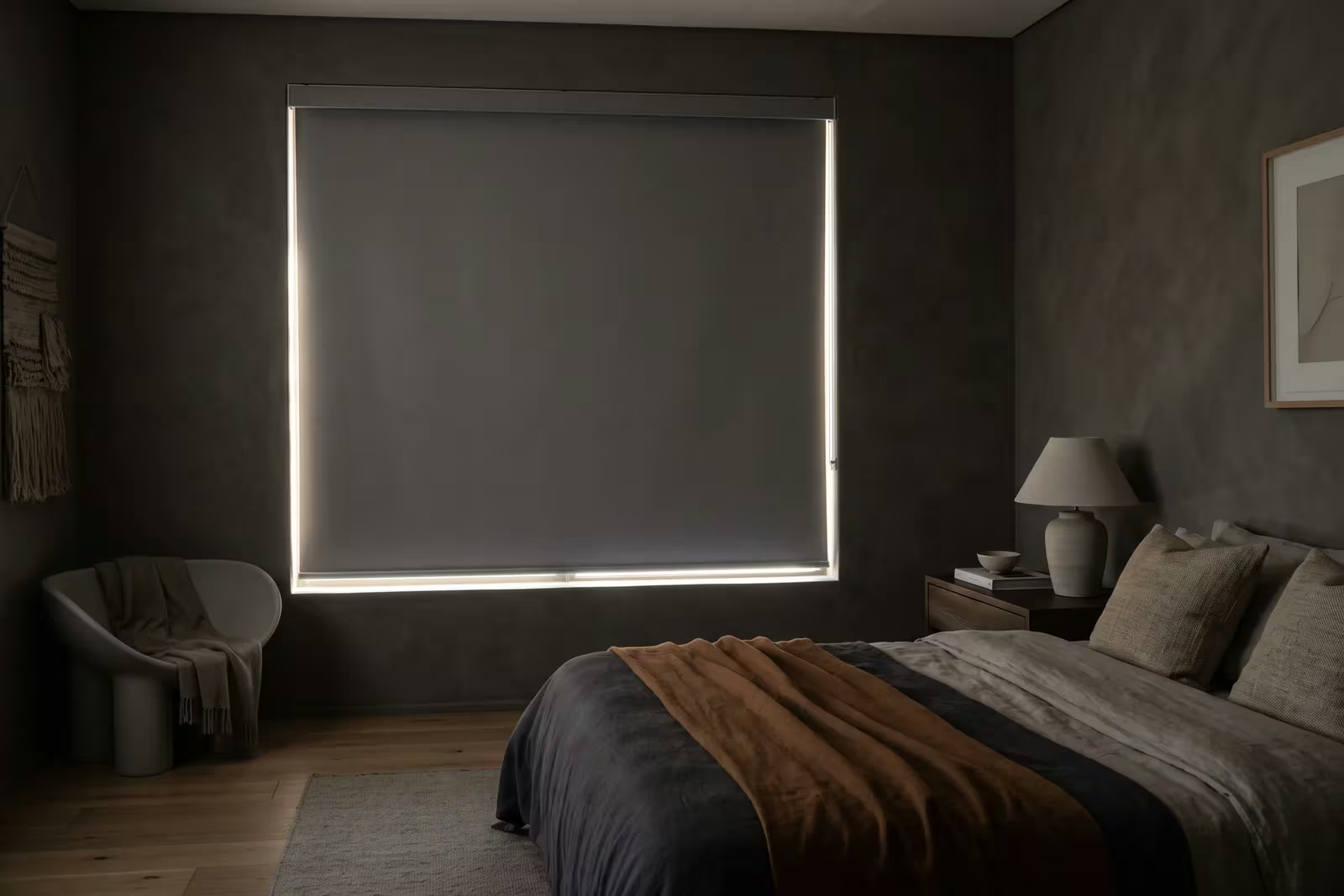
Sunscreen: glare control with a view
Sunscreen fabric is an open weave that cuts up to 95% of glare and UV while you still see out through it. It suits living rooms and offices that want to keep the view and daylight but lose the harsh glare. It does not give privacy at night with the lights on.
Blockout and blackout: darkness and privacy
Blockout fabric is woven or coated so no light passes through the fabric itself, giving privacy day and night. Blackout is the top grade of blockout, used with side channels for near-total darkness in bedrooms, nurseries and media rooms. The two terms are often used interchangeably.
Best of both: day-night blinds
When one window needs both a daytime view and night-time privacy, a day-night blind layers sheer and solid bands on one roller so you switch between the two. It is the practical answer for living-room and street-facing windows that change use through the day.
Reading the openness figure
Sunscreen fabric is sold by an openness percentage, and it is the one number worth understanding. A 10percent openness fabric has a tenth of its surface as gaps: bright, a clear view out, very littleprivacy. At 5 percent the view is still there but softened, and daytime privacy is real. At 3 percentthe fabric reads almost solid from outside in daylight while still showing an outline of the view frominside. Lower openness buys privacy and costs view, in a straight trade, and none of them give privacyafter dark once the lights are on.
| Fabric | Light let through | View out | Best for |
|---|---|---|---|
| Sunscreen | Filtered, 3–10% openness | Yes, in daylight | Glare control in living rooms and offices |
| Light-filtering | Soft and diffused | No | Daytime privacy while keeping a room bright |
| Blockout | Almost none | No | Bedrooms, street-facing rooms, media rooms |
| Blackout | Effectively none | No | Nurseries, shift workers, home cinema |
Blinds Mentioned in This Guide
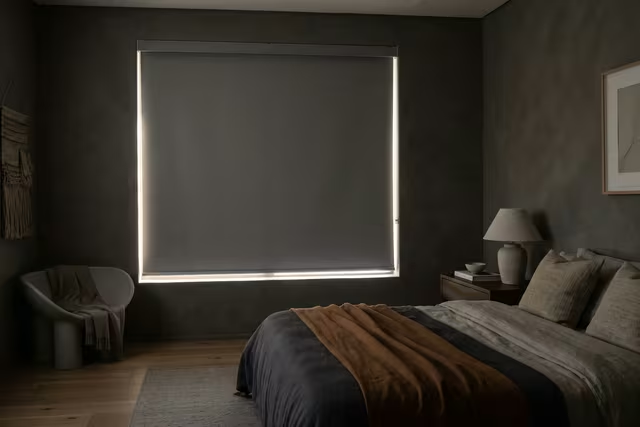
Blackout Blinds
Blackout blinds are blinds made from an opaque, coated or tightly-woven fabric that stops light passing through, for…
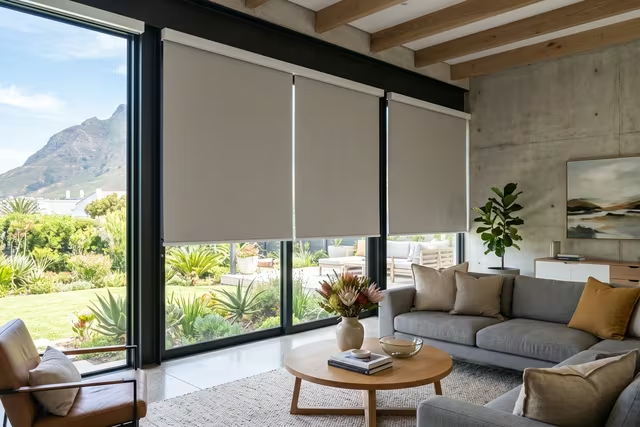
Roller Blinds
Roller blinds are a single panel of fabric that winds onto a tube above the window, giving clean, slat-free light control from…
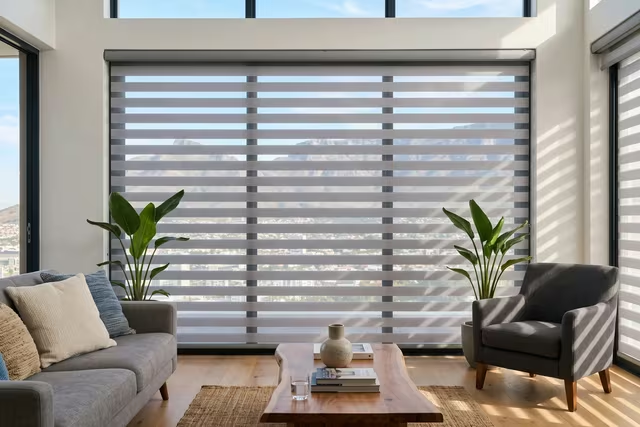
Day-Night Blinds
Day-night blinds are dual-layer roller blinds with alternating sheer and solid fabric bands that align to either filter or…
Get a free measure & quote
No charge, no obligation — anywhere in greater Cape Town.
Blackout vs Sunscreen vs Blockout — FAQs
What is the difference between blockout and blackout blinds?
Blockout fabric stops light passing through the fabric for full privacy, and blackout is the highest grade of blockout, used with side channels for near-total darkness. In everyday use the two words mean much the same thing.
Do sunscreen blinds give privacy at night?
No. Sunscreen fabric lets you see out during the day, but at night with interior lights on, people can see in. Choose a blockout or day-night blind where night-time privacy matters.
Which is best for a bedroom?
Blackout blinds are best for bedrooms, because they block light for better sleep. A day-night blind is a good alternative when you also want a soft daytime glow.
What openness percentage should I choose?
Around 5 percent suits most living rooms, giving real daytime privacy while keeping the view. Choose 3percent where the window faces a pavement or a neighbour, and 10 percent where the view matters morethan privacy and the window is not overlooked.